
Kenya Tanzania Safari Experts. Very few places in the world can compete with Africa’s stunning scenery, rich diversity of wildlife, and habitats. Its’ prolific nature is legendary; it’s no wonder it’s a top destination for wildlife photography and safari nature-focused travelers. Discover Kenya and Tanzania, Vibrant and pristine safari destinations. Rich in Wildlife, culture, and Traditions. – its verdant mountains as well as its scrubland plains.

customer service, we offer a range of customizable tours
that cater to every interest and budget.

Kenya Tanzania Uganda Rwanda Safaris
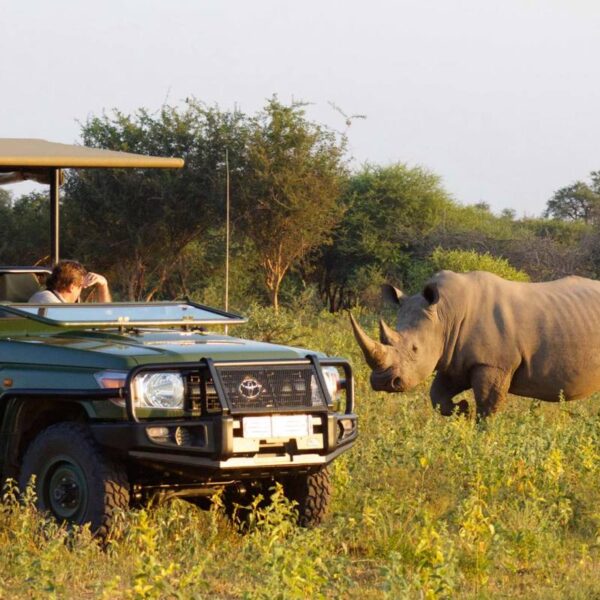
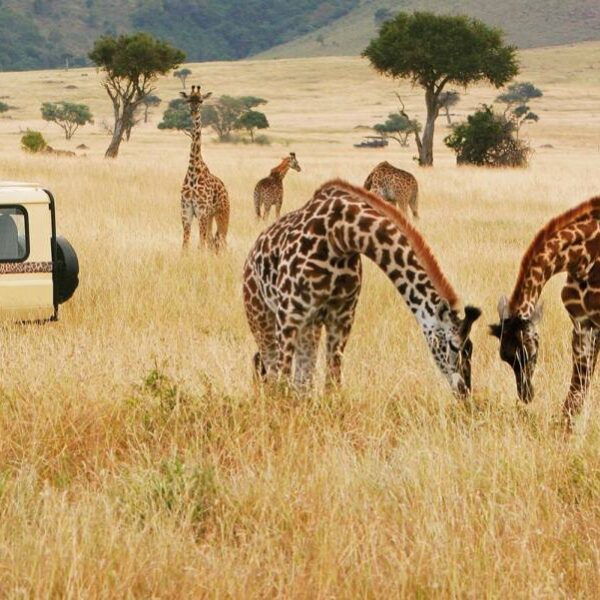
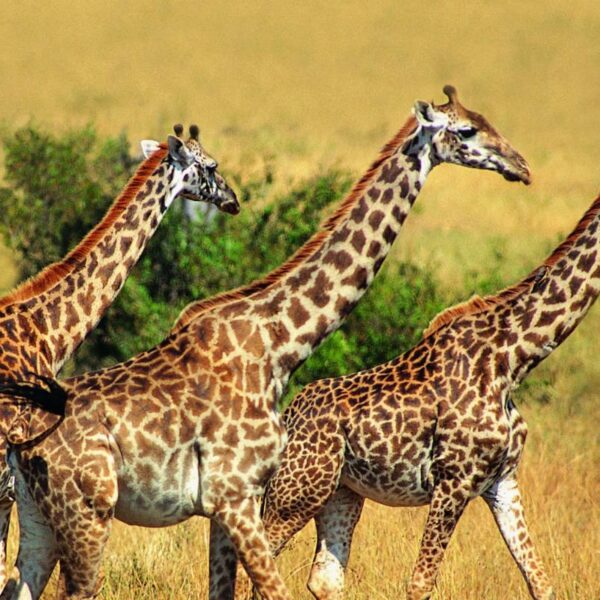
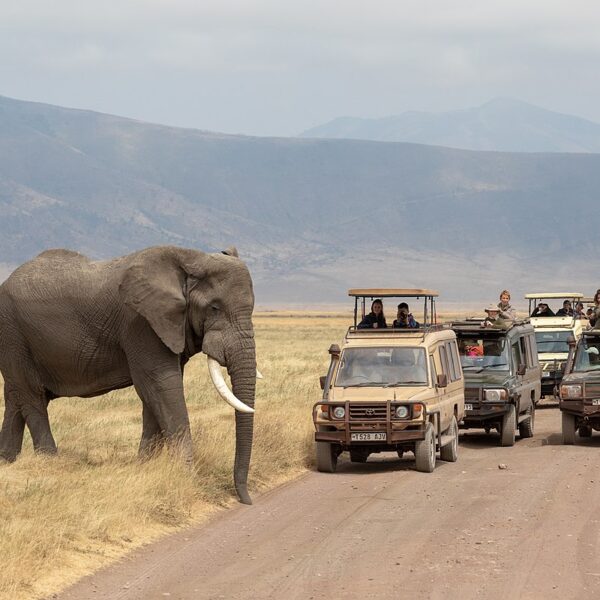

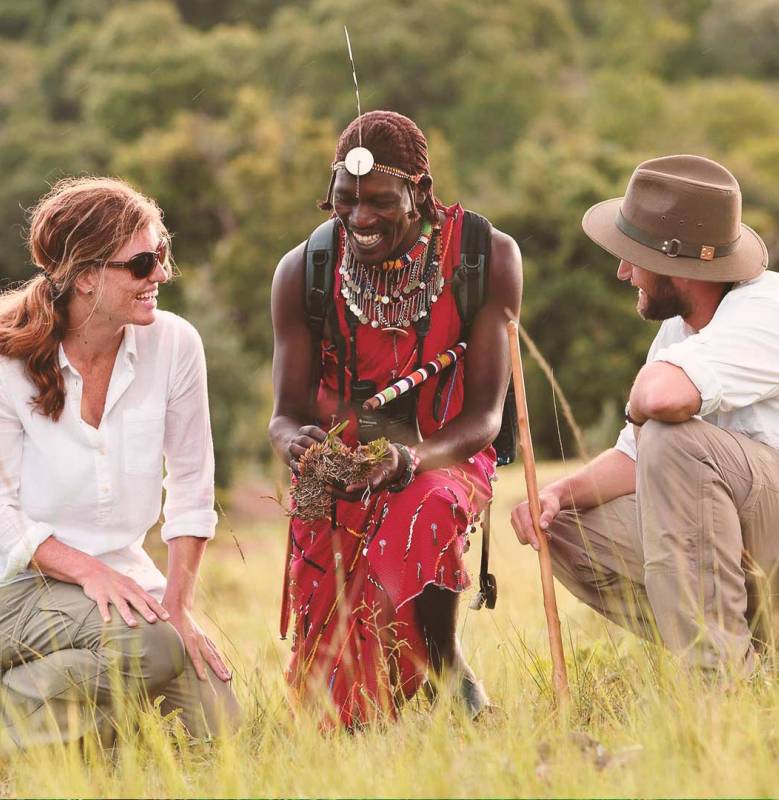
Experience Kenya Tanzania Safari
There’s nothing like seeing the wild during the “green season,” when fresh rains bring new grass and animal life.
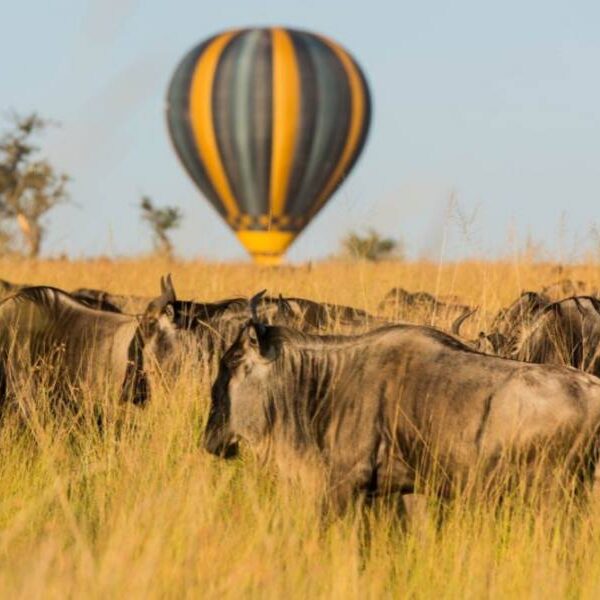
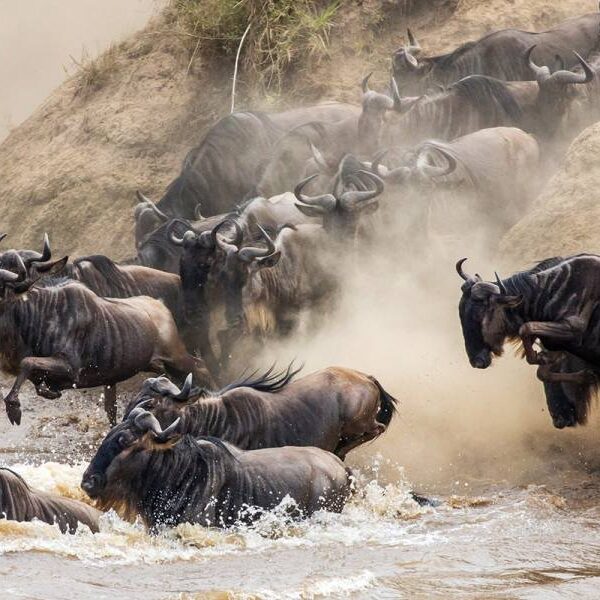
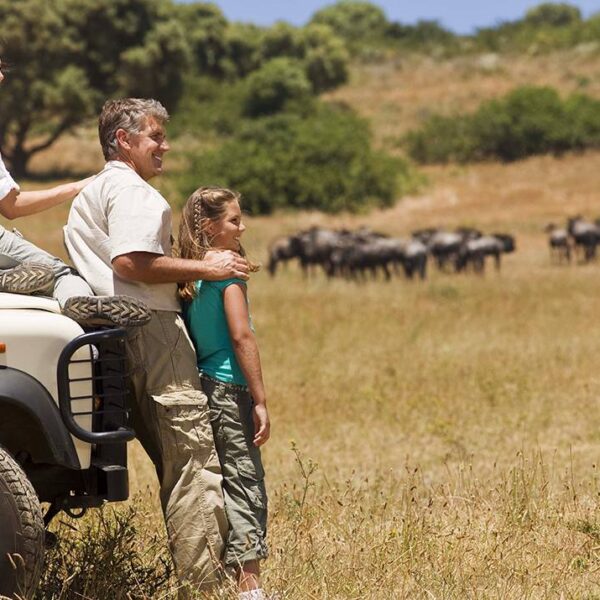
Among the world’s epic wildlife events, few can match the Great Wildebeest Migration in Kenya and Tanzania. And for a Wildlife photography Safari in Africa, there is simply nothing like being in the midst of hundreds of thousands of wildebeest and zebra as they make their annual trek over the Serengeti and Masai Mara Plains in pursuit of new grass. To truly capture the wonder of the Wildebeest migration, We will facilitate you to witness and follow the Migration as they migrate between the Serengeti in Tanzania and the Masai Mara in Kenya.
Top African Experiences
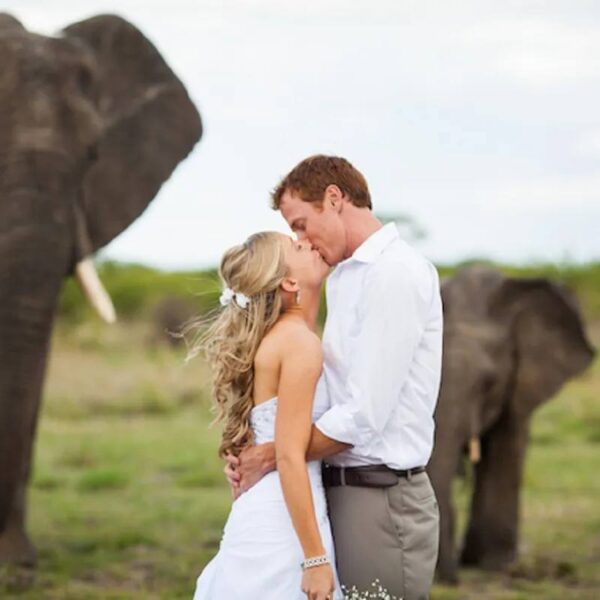
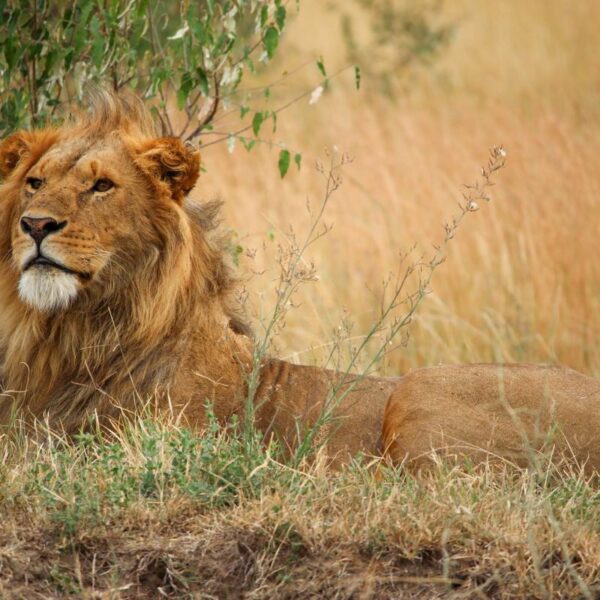
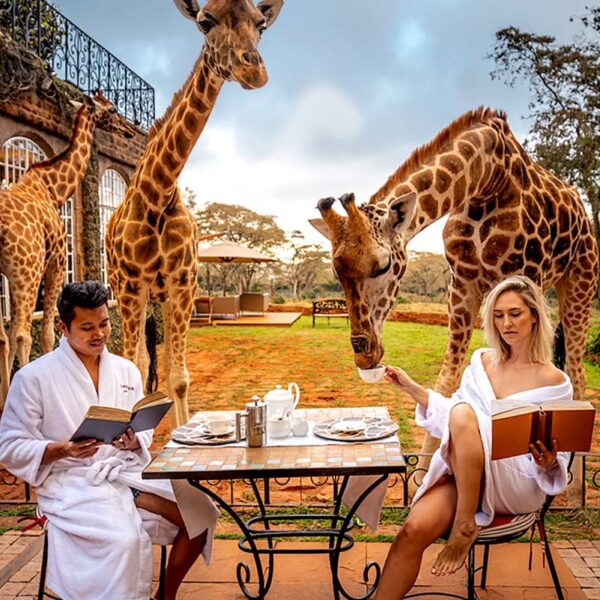

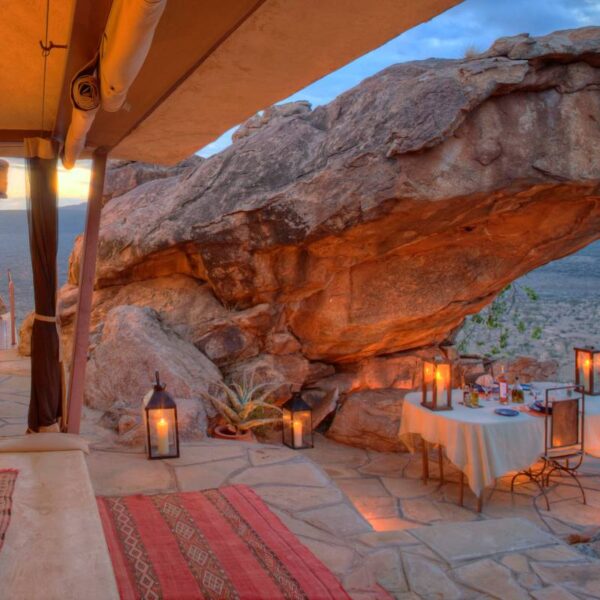
Discover More African Adventures!
Wildebeest Migration in Kenya and Tanzania
The Wildebeest Migrate every year between Serengeti in Tanzania and Masai Mara in Kenya. For most of the year, they graze in the southern-eastern part of the ecosystem. That coincides with the calving migration season. The wildebeest colonizes the southern Serengeti from November to May. Once depleted of the pastures, they trek northern towards the Northern Serengeti in Tanzania and the Masai Mara in Kenya. Join us on a Wildebeest Migration safari as we follow the herds.
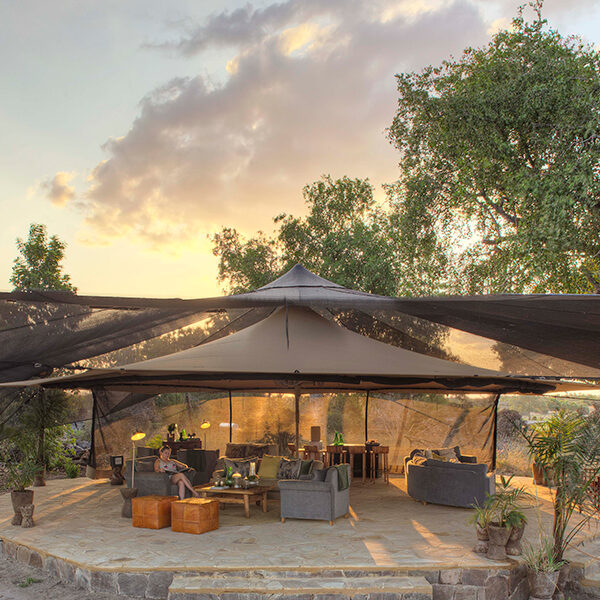
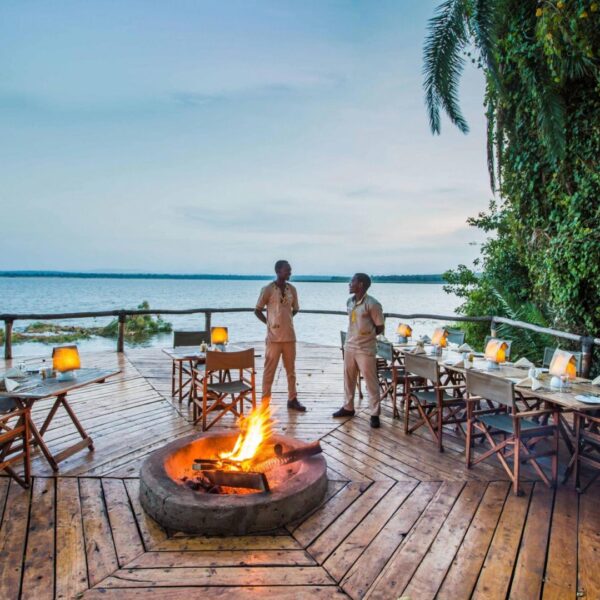
Kenya Tanzania Safari Lodges & Camps
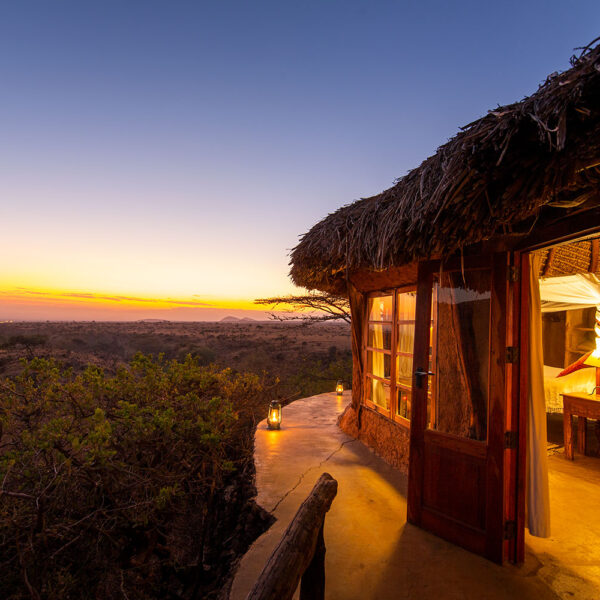
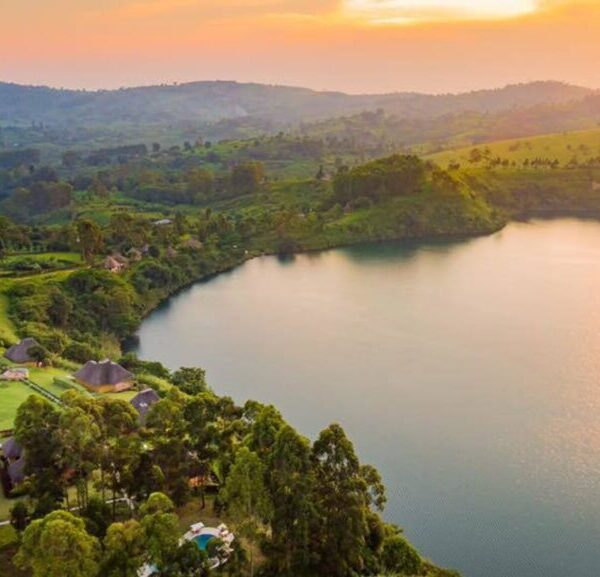




Explore A Different Way To Travel
At Features Africa Journeys, we are former wildlife safari guides and specialists in the African Wild Lands, ensuring you get up close and personal with wildlife. Majority of our safaris are tailored to your specific requirements – whether you are a family looking for adventure or honeymooners looking for some relaxation – we excel in specialized set departures. To have a chat with one of our specialists and for your ultimate wildlife holiday please click on the chat button.
Book With Confidence
Features Africa Journeys is a member of Tour Operators of Kenya. TOSK is one of the key tourism trade associations in Kenya, representing the interests of over 400 of the most experienced professional tour operators. As a member, our services have been checked and are bound by the Code of Conduct to provide the highest possible quality of service to their clients.